How to Choose the Right Retaining Wall Material for Your Home
Do you want to add visual interest to your outdoor space? Installing a retaining wall is a great way to create a usable space and give your landscape a polished look. Some retaining walls can level sloped areas and allow zoning in a large yard. They even provide functional value by preventing soil erosion in your garden.
But, which material should you choose for retaining wall construction in OKC? High-quality materials withstand constant exposure to weather elements. On the contrary, low-grade materials may result in unexpected costs and early repairs.
From sustainably sourced timber to concrete, every material has varying strengths and characteristics. You need to use the best ones that make your retaining walls long-lasting and elevate aesthetics. However, the key is to find one that aligns with your landscaping goals and your architectural style.
Common Materials Used for Constructing Retaining Walls
All materials for retaining wall construction have unique pros and cons. You have to assess them in detail to make the vertical structure durable. Don’t worry, those without experience can rely on the guidance of professionals.
Masonry
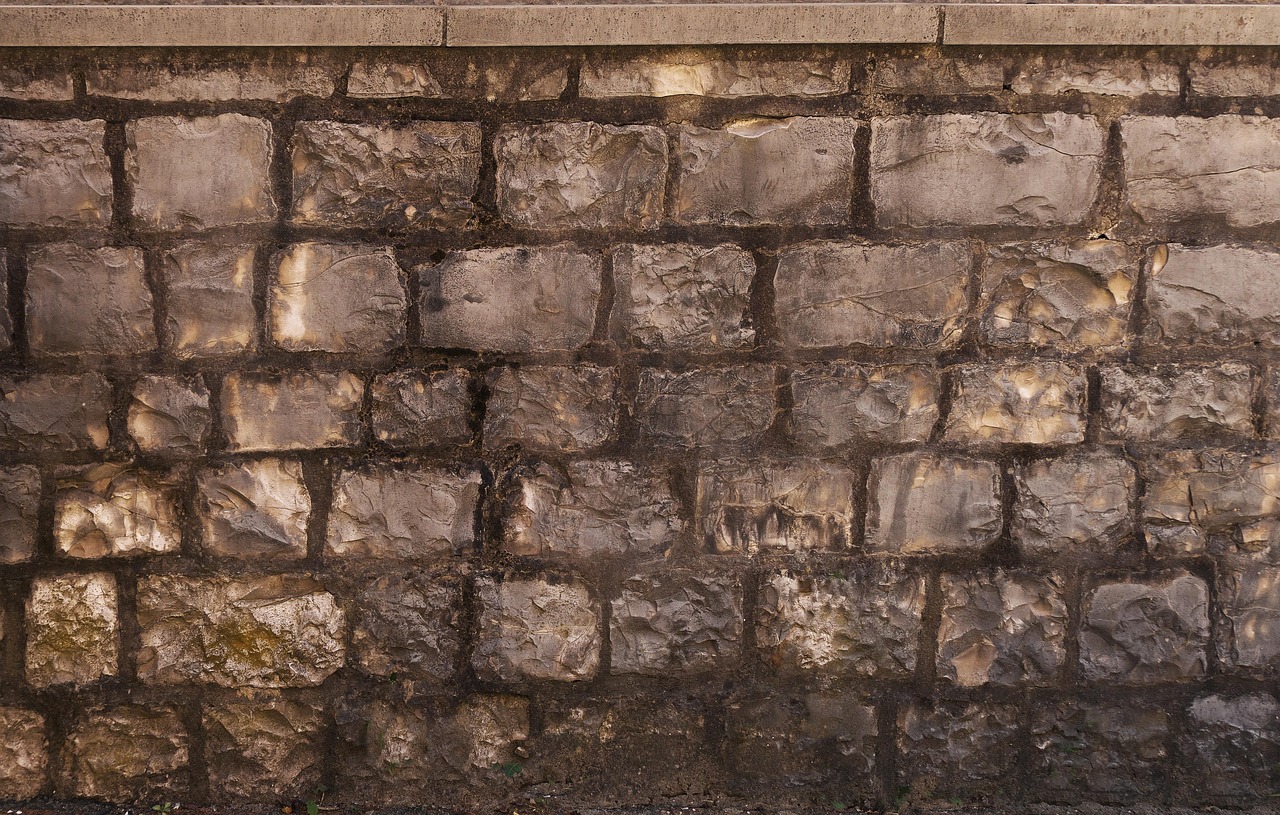
Retaining walls constructed with masonry ensure longevity and high strength. Professional masons create a rebar-reinforced concrete footing before constructing mortared walls. The experts then make holes to reduce soil pressure.
Stone-masonry retaining walls absorb a minimal amount of water and resist dampness. You can integrate masonry walls into the existing landscape. Moreover, masonry lets you achieve different textures and styles, like sleek brick patterns.
Timber Retaining Walls
Many DIY enthusiasts prefer using timber to construct the retaining wall. Timber wall is affordable and easy to construct with spikes and screws. Timber wall needs a crushed stone footing for flawless construction.
Pressure-treated pinewood is a brilliant wood, as it lasts for more than 40 years. Black locust is also a rot-resistant wood that creates a long-lasting structure. Besides, wood ensures flexibility, allowing you to design angles and curves.
Poured Concrete Walls
Concrete is a versatile material used to create any design for your retaining walls. For instance, concrete can be carved and stained to create an appearance of other materials. Poured concrete retaining walls are perfect for a contemporary-style landscape and need minimal maintenance. Although concrete has a gray color, you can stain it to match the landscape design.
Water-resistant and pest-resistant properties are other advantages of constructing concrete walls. What’s more, concrete is more affordable in the long-term than other materials used for retaining wall construction in OKC.
Which Finishes Are Best for Your Retaining Walls?
A veneer finish can transform a simple retaining wall into a stunning vertical structure. Veneers are easy to install and protect the wall structure. Your contractors will adhere thin slices of stone and bricks to the wall surface. You can also apply veneers to existing retaining walls and make them appear new.
Staining is another way to improve the look of your concrete blocks. Many contractors apply water-based stains onto the unsealed surface and protect your walls from UV rays.
Premium-quality materials for constructing retaining walls ensure the durability of the vertical structures. Professionals will help you choose materials based on environmental conditions and budget. You can also consider long-term maintenance needs for selecting the retaining wall material. What’s more, the best finish for your retaining walls plays a role in providing a lasting result!
Comments are Disabled