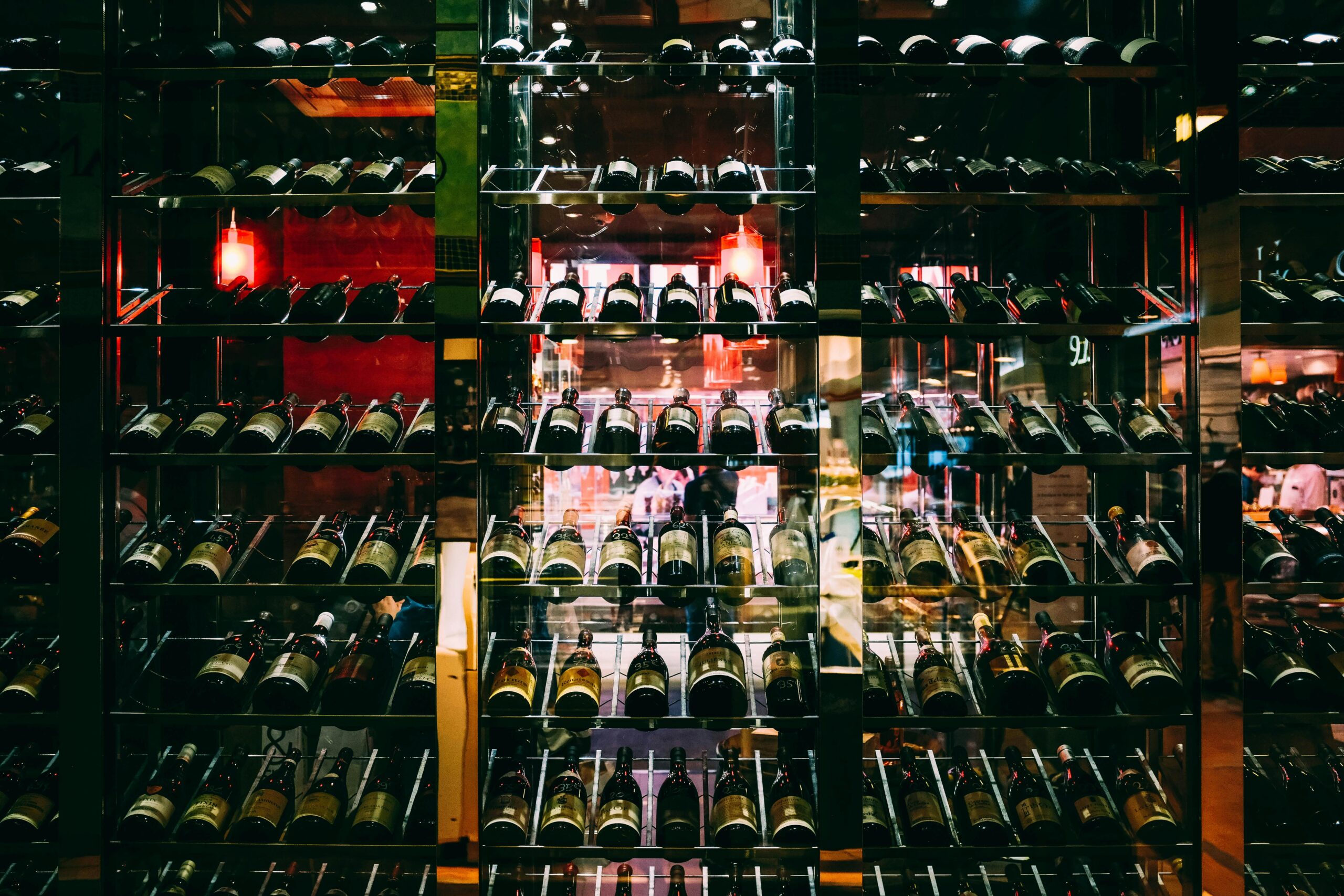

The Importance of Room Temperature When Storing Wine
Storing wine properly can feel about as daunting as learning to waltz, especially when those precious bottles are waiting for their grand debut at your next dinner party. The bright side? Cracking the code on wine temperature is easier than deciphering your aunt’s fruitcake recipe, and trust us, your wine (and taste buds) will thank you for it.
Let’s get this straight: temperature control isn’t just for wine snobs with impeccably trimmed mustaches. Nope, it’s pure science. Wine, the living, breathing diva that she is, keeps developing in the bottle, and temperature is her mood-setter. Ignore it, and even the fanciest vintages can end up tasting like vinegar.
The Sweet Spot: 55°F to 65°F
According to those folks who swirl, sniff, and spit for a living, the ideal storage temp for wine hovers between 55°F and 65°F, with 55°F hotly contested as the “gold standard.” In this comfy zone, wine can age gracefully – think Morgan Freeman, not milk left out overnight.
Red wines can handle slightly warmer digs than whites, but don’t sweat one or two degrees here and there. Consistency is what matters. If your wine suffers through more ups and downs than a reality TV star, it’s going to rebel.
When Heat Becomes Your Wine’s Nemesis
Warm temps might sound cozy, but for your wine, anything above 70°F is like turning up the treadmill too fast – it rushes the aging and skips all the good parts. Push your wine north of 80°F, and it could start evicting the cork, letting air in where it really doesn’t belong, like a nosy neighbor dropping by uninvited.
Excess heat doesn’t just make your wine grumpy – it’s usually a one-way trip to “cooking wine” status. Heat can dry out corks, cause leaks, and even encourage your wine to try new (less tasty) flavors it was never intended to explore. And if you thought you could recover a heat-mangled bottle, well…let’s just say your odds are better in Vegas.
The Cold Truth About Low Temperatures
On the flip side, stick your wine somewhere below 45°F, and it may take aging advice from Rip Van Winkle – slowing down to a near halt. If winter is coming (or here), your bottles might freeze, pushing the cork out or shattering the glass – never a pretty sight.
Besides, wine exposed to the deep freeze may form little tartrate “diamonds.” Sure, they’re harmless, but your guests might stare at their glass wondering if you dropped rock candy in the bottle. Plus, repeatedly chilling your wine turns corks brittle and prone to crumbling, which can turn that triumphant cork-pop into a tragic mess.
Maintaining Optimal Storage Conditions
Fancy cellar? Not required. Start by keeping your bottles far from radiators, sunbeams, or rascally appliances that crank out heat. Your HVAC system is a silent hero here; keep it humming along and maybe show it some love with the occasional tune-up. Programmable thermostat? Treat yourself. Nobody wants surprise sauna conditions for their merlot.
Don’t forget about those air vents and floor registers – direct blasts can make the temperature swing faster than a caffeinated cat. Move racks away from these gusty troublemakers, or deploy vent covers and declare victory. With the right forest flush mount metal floor register, for example, you can maintain the right temperature in the room.
If you live where the weather can’t make up its mind, consider a wine fridge or temperature-controlled cabinet. These gadgets keep everything just right, like the Goldilocks of wine storage.
Protecting Your Investment
Getting wine storage right shouldn’t make you break out in a cold sweat. Nail that steady 55°F to 65°F range and keep your HVAC in check, and your wine will age like a legend, not a horror story.
One last bit of wisdom: don’t chase perfect temperature like it’s the Holy Grail. A constant 60°F is far kinder to your wine than a rollercoaster of highs and lows.
Comments are Disabled